How to Choose the Right Buggy for Dubai Desert Driving
Choosing a buggy for desert driving starts with a clear idea of how it will be used. A vehicle that feels exciting on open sand may be awkward for a short family outing, while a larger passenger buggy may feel heavy if the route is narrow and technical. The right choice depends on the driver, the passengers, the terrain, and the level of support expected during the booking.
Before comparing models, decide whether the outing is mainly for speed, sightseeing, photography, or a mix of these. That first decision makes the rest easier. A single-seater buggy suits a driver who wants a focused ride and quick response. A passenger buggy works better when two or more people want to share the experience. For many visitors, the best choice is the one that feels manageable from the start rather than the most powerful option on paper.
Start with the route and the type of driving
Dubai desert terrain can change quickly. Firm tracks, soft sand, small crests, and uneven dips all ask different things from a buggy. If the route includes broad open areas, a vehicle with strong acceleration and stable handling will feel more rewarding. If the route is tighter, with frequent turns around sand dunes, lower weight and predictable steering matter more.
Ask what kind of driving is involved before making a choice. Some outings are paced tours with stops for views and photos. Others focus on laps and tours where the driving is more continuous. A relaxed route gives newer drivers room to settle in. A fast route demands better control, clear communication, and a buggy that does not surprise the driver when the surface changes.
It also helps to think about the time of day. Heat affects comfort and concentration, especially inside an open vehicle. A morning or late afternoon outing may feel easier for first timers. Midday sand can be hotter and brighter, so clothing, eye protection, and hydration become more important. The buggy itself should still match the route, not just the weather.
Match the buggy to the people riding
The number of seats is a practical starting point, but it is not the only detail. A passenger buggy gives friends or family a shared ride, yet passengers still need clear instructions before the vehicle moves. Drivers should know how to brake smoothly, how to take turns, and what to do if the route becomes rough. If one person is nervous, a calmer pace may be better than a more aggressive vehicle.
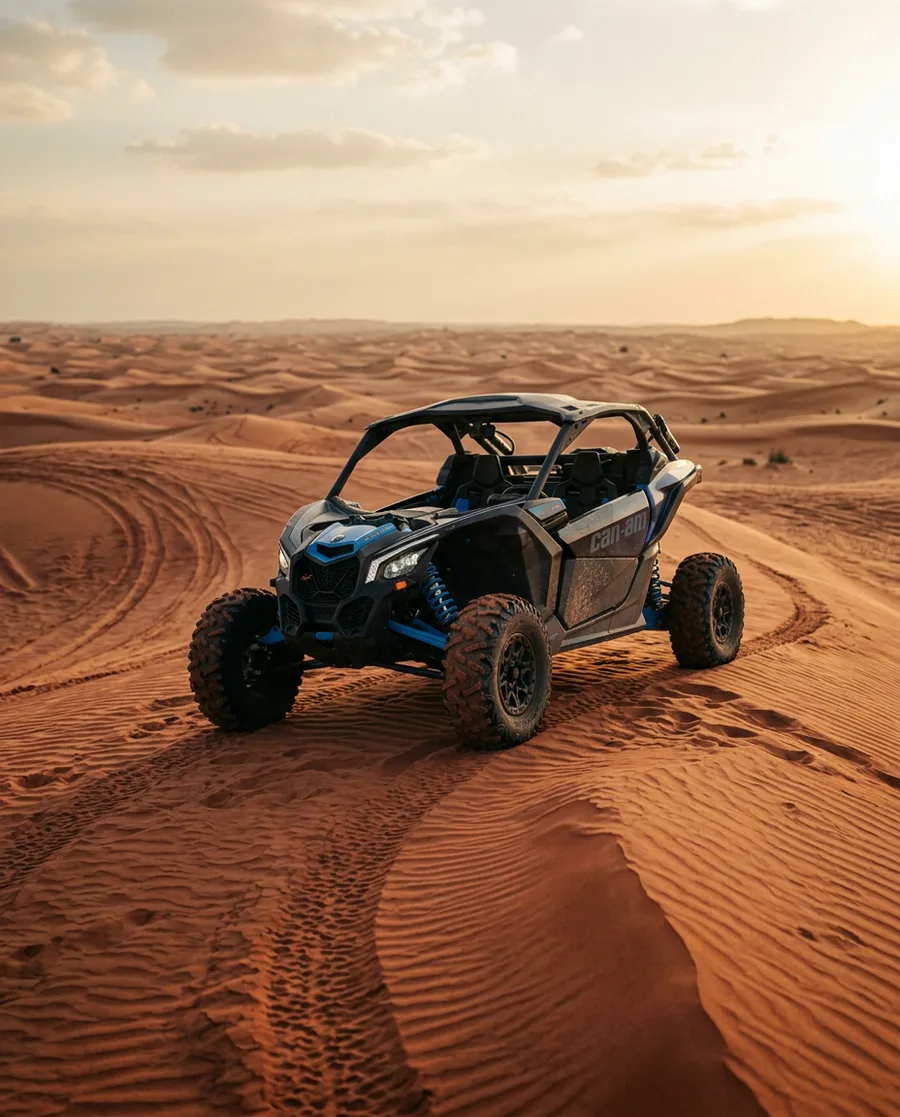
For a solo rider, a single-seater buggy can feel more direct. The driver gets a clearer sense of balance and can choose lines across the sand with less distraction. This can suit people who are comfortable with off-road driving and understand that sand rewards smooth inputs. Sudden steering, harsh braking, and overconfidence can spoil control.
Check whether the seating layout gives everyone enough space to sit securely. Loose bags, loose clothing, and items placed near feet can interfere with controls or become distracting. The ride is better when everyone is settled before departure. A buggy may look spacious in a photo, but fit matters once helmets, gloves, and movement are added.
Compare power, weight, and control
Power is useful, but it is not the whole story. A buggy with plenty of acceleration can climb and move through soft sand with confidence. Too much power in the hands of a cautious driver can feel unsettling. The key is a balanced vehicle that responds clearly and allows the driver to stay relaxed.
Weight changes how a buggy behaves on dunes. A lighter vehicle can feel nimble, while a heavier one may feel planted on firm ground but harder to redirect in soft sand. Suspension also matters. Good suspension helps absorb uneven surfaces and keeps the ride steadier. Watch for a buggy that feels harsh over small bumps, as fatigue can build over a longer outing.
Steering response should be predictable. The driver should not need to correct constantly on straight sections. Braking should feel steady rather than grabby. If a vehicle has a manual transmission, the driver must be comfortable managing gears while reading the terrain. If it is automatic, the driver can focus more on steering and speed control. Neither option is universally better, the right pick depends on experience and confidence.
When comparing options, look beyond the headline specification. Ask how the buggy behaves at low speed, how it handles slopes, and whether it is suited to the route planned. These questions reveal more than a simple power figure.
Check safety gear and basic preparation
Safety gear should be part of the decision from the beginning. A suitable helmet is essential, and it should fit properly. Gloves can improve grip and protect hands. Closed shoes are more sensible than sandals. Eye protection helps against dust and bright light. Loose scarves, dangling accessories, and anything that can catch on controls should be avoided.
Before setting off, the driver should understand the basic controls and the agreed signals used on the route. In a group, clear communication matters. Drivers need space, and nobody should feel pushed to go faster than is comfortable. A good buggy choice supports safe habits, but it cannot replace attention and restraint.
Simple visual checks also help. Look for obvious damage, loose parts, or fluid marks before the ride begins. If something looks wrong, raise it before departure rather than during the outing. Mechanical diagnosis and repairs are a job for a qualified professional, not something to attempt at the roadside or in the desert. A driver should not try to adjust or bypass any safety component. If a warning sign appears during the ride, stop in a safe area and follow the operator's instruction.
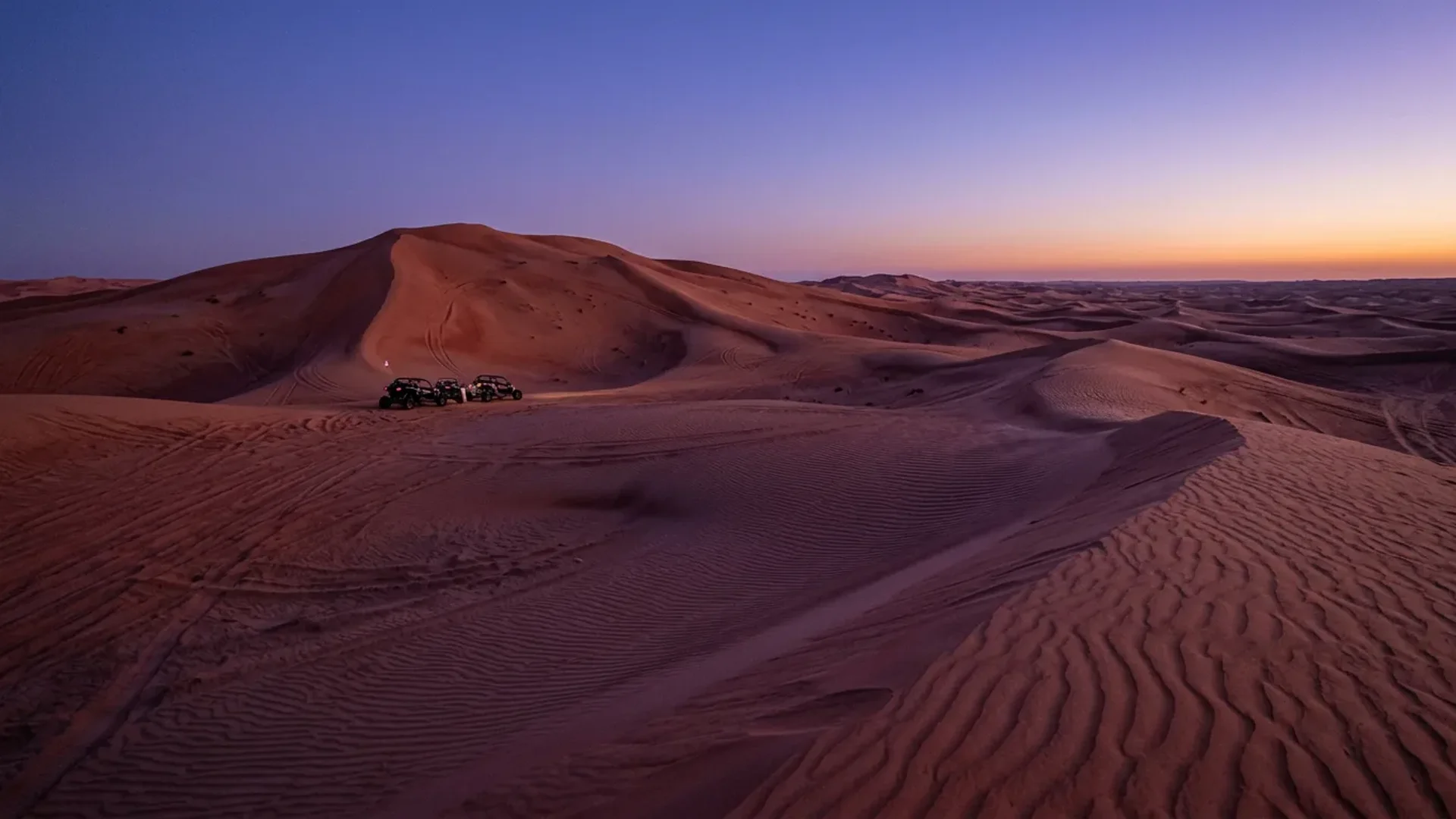
Comfort is part of preparation too. Bring water where permitted, use sun protection, and dress for dust as well as heat. Desert driving can be dusty even on a well-planned route. A clear visor or eyewear can make a real difference when the light is strong and the sand is moving.
Understand what is included in the outing
Two buggies that look similar can be attached to very different experiences. One outing may be a short introduction with a simple route. Another may include a longer desert safari, scheduled stops, or a more structured driving plan. The vehicle matters, but so does the way the drive is organised.
Ask whether the route is shared or private, how many drivers are expected, and whether passengers can switch seats. Find out if there are set times for stops and how breaks are handled. These details affect the pace and the overall feel of the day. A driver who wants a steady introduction should avoid a format that encourages constant speed.
When comparing providers, keep the brand name separate from the practical details. For example, atvridedubai.com may be easy to remember when you return to your notes, but the decision should rest on the route, the vehicle, the safety setup, and the clarity of the booking. The same approach applies to any name you see while researching. A familiar website does not replace careful questions.
It is also wise to check what happens if plans change. Weather, group size, and personal comfort can affect the day. Clear terms help avoid confusion. The aim is to choose an experience where expectations are simple from the start.
Know the common mistakes to avoid
One common mistake is choosing only by appearance. A buggy can look impressive in photos and still be a poor match for the driver or route. Another mistake is focusing only on speed. Desert driving rewards control, patience, and smooth movement. The fastest option is rarely the best choice for someone new to sand.
Do not ignore passenger comfort. A bumpy ride can turn a short outing into a tiring one, especially in hot conditions. Avoid overloading the vehicle or carrying loose equipment that shifts during turns. If passengers are children or less confident riders, the route and pace deserve more attention than engine size.
Another error is skipping questions about safety gear and instructions. A driver should know how to stop, how to respond if the route becomes difficult, and what to do if another vehicle is nearby. Clear rules make the drive calmer for everyone. If answers are vague, slow down the decision rather than filling the gaps with assumptions.
Finally, avoid treating all buggy dubai options as the same. The phrase can cover different vehicles, route styles, and levels of structure. Read each description closely and compare like with like. A short ride on firm ground is not the same as a longer route across softer sand.

Make the final choice with a simple test
Before committing, run through a short mental check. Does the buggy suit the number of riders? Is the route realistic for the driver's experience? Does the pace match the purpose of the outing? Is safety gear clearly addressed? Are the booking details easy to understand?
If the answer to most of these questions is yes, the option is likely a sound fit. If one answer is uncertain, ask a focused question before paying or travelling. A clear answer is more useful than a polished description.
For a first desert outing, choose control over raw power and comfort over spectacle. For an experienced driver, a more responsive buggy may bring more satisfaction, provided the route allows it to be used responsibly. The best choice is not the one that looks boldest. It is the one that lets the driver enjoy the sand with confidence from the first turn to the final stop.
Keep your notes simple: route, riders, vehicle balance, safety gear, and booking clarity. Compare each option against those points, and the decision becomes much easier. Whether the name on your notes is atvridedubai.com or another provider, the same practical standard helps you pick a buggy that fits the day you actually want to have.